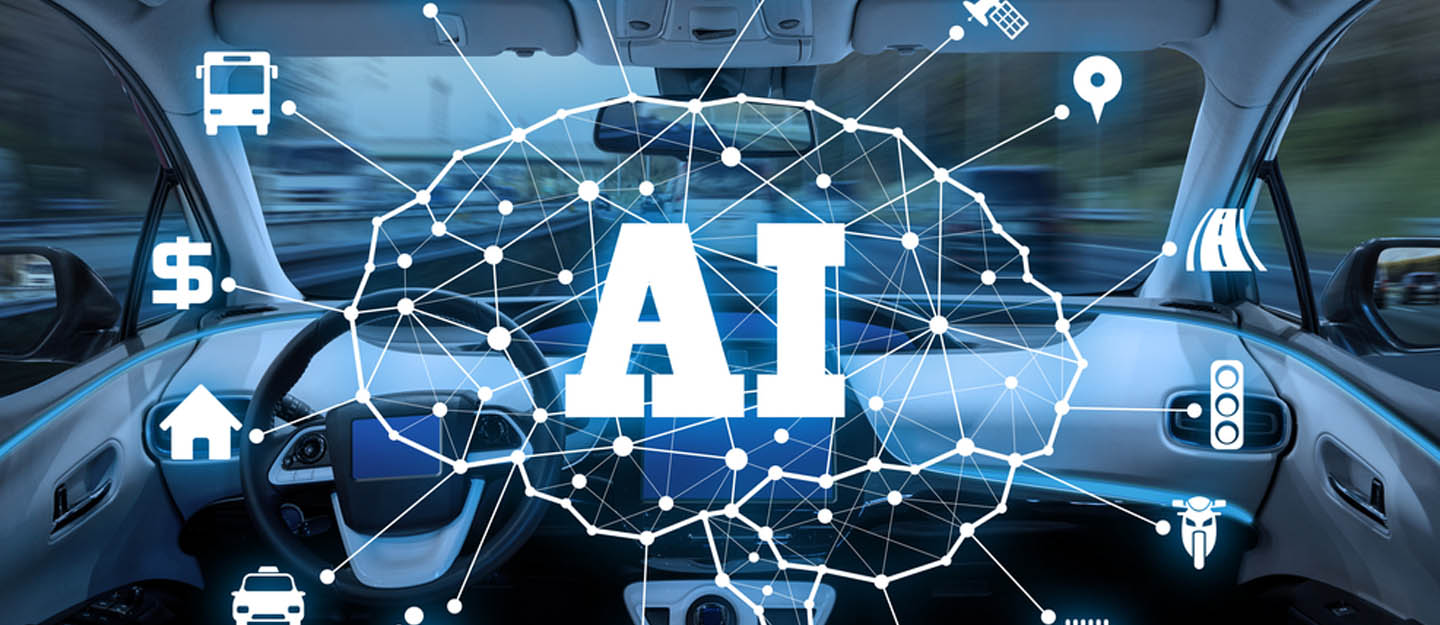
Steering into Tomorrow: The Rise of AI-Powered Self-Driving Cars


The automotive landscape is undergoing a dramatic transformation, driven by rapid advancements in artificial intelligence and technology. As we steer into tomorrow, the promise of self-driving cars is not just a futuristic dream but an imminent reality. The future of driving is being reshaped by AI-powered vehicles that harness sophisticated algorithms and machine learning to navigate our roads safely and efficiently. This shift towards autonomous vehicles marks a significant step in the evolution of transportation, where the blend of AI and car technology promises to redefine mobility as we know it.
As self-driving innovation continues to develop, we are witnessing a rise in autonomous driving systems that enhance the driving experience while prioritizing safety. From smart cars equipped with advanced AI technology to fully driverless vehicles that operate seamlessly in urban environments, the impact of AI in cars is profound. With each breakthrough in autonomous vehicle development, we move closer to a future where reliance on personal vehicles shifts, paving the way for more sustainable and efficient transport solutions. This article explores the trends, advancements, and safety considerations surrounding AI in transportation and the exciting self-driving future that awaits us all.
The Technology Behind Self-Driving Cars
Self-driving cars leverage a combination of advanced AI technologies and sophisticated sensors to navigate the world autonomously. At the core of these vehicles is an array of sensors, including cameras, lidar, and radar. These tools enable the car to perceive its environment by detecting obstacles, lane markings, traffic signals, and other vehicles. This wealth of data feeds into AI algorithms that process and interpret the information, allowing the car to make real-time decisions and adapt to constantly changing road conditions.
The AI system in autonomous vehicles utilizes machine learning models that have been trained on vast datasets comprising real-world driving scenarios. These models help the car understand complex driving situations, such as merging into traffic or navigating through intersections. AI advancements in computer vision and sensor fusion contribute significantly to the effectiveness of these systems, making them capable of improving over time as they learn from new experiences. This continuous learning process enhances the accuracy and reliability of self-driving technology as it evolves.
Safety is paramount in the development of autonomous driving systems. AI-powered evaluation protocols assess the performance of these vehicles under various conditions, ensuring that they adhere to strict safety standards. Manufacturers are investing in rigorous testing and validation processes to enhance autonomous vehicle safety. As the technology continues to mature, the integration of AI in transportation promises to lead to safer and more efficient mobility solutions, marking a pivotal shift in the future of driving.
Safety and Regulations for Autonomous Vehicles
As the development of autonomous vehicles accelerates, the focus on safety becomes paramount. Implementing robust safety measures is essential to gaining public trust in self-driving technology. Manufacturers are utilizing advanced AI algorithms to enhance the safety of autonomous cars, ensuring they can navigate complex environments and respond effectively to potential hazards. Extensive testing in varied conditions is necessary to refine these systems and demonstrate their reliability to regulators and consumers alike.
Regulatory frameworks for self-driving cars are also evolving to keep pace with advancements in AI technology. Governments and regulatory bodies are tasked with establishing guidelines that ensure the safe deployment of autonomous vehicles on public roads. This includes defining safety standards, conducting rigorous assessments, and outlining protocols for data sharing and accident reporting. Collaboration between automakers, tech companies, and regulatory agencies is crucial to create a cohesive framework that supports innovation while prioritizing public safety.
Public perception plays a significant role in the acceptance of autonomous driving. Education and transparency regarding AI in cars and the inherent safety features of self-driving technology can alleviate concerns. Encouraging partnerships between developers and community stakeholders helps foster dialogue on the implications of driverless technology. As car technology, become more prevalent, the integration of comprehensive regulations and continuous public engagement will be vital to ensure a safe transition into the future of mobility.
The Future of AI in Transportation
As we look to the horizon, the integration of AI in transportation is poised to redefine how we navigate the world. The emergence of self-driving cars signifies a major leap toward a future where automation enhances efficiency and safety on our roads. These AI-powered vehicles are being designed to intelligently interpret their surroundings, make split-second decisions, and improve overall traffic flow. With advancements in AI algorithms, autonomous driving systems are becoming more adept at understanding complex environments, enabling a seamless transition to a driverless future.
The future of mobility will undoubtedly see an increased reliance on AI technology to address urban challenges such as congestion, pollution, and safety. Smart cars equipped with vehicle intelligence can communicate with one another and infrastructure, creating a connected ecosystem that optimizes transportation. Innovations in AI-driven mobility will transform public transport systems, allowing for more responsive and efficient services. These developments will not only enhance user experience but will also contribute to sustainable urban planning.
Looking ahead, the trends indicate a robust expansion of the AI automotive industry. As autonomous vehicle development progresses, the focus will shift toward ensuring the safety and reliability of self-driving technology. Regulatory frameworks are adapting to support AI in transportation, fostering innovation while prioritizing the protection of individuals and communities. With ongoing research and investment, AI-driven cars are set to revolutionize how we perceive driving, pushing us toward a future where transportation is safer, smarter, and more accessible for everyone.